A Brief Sparkling History
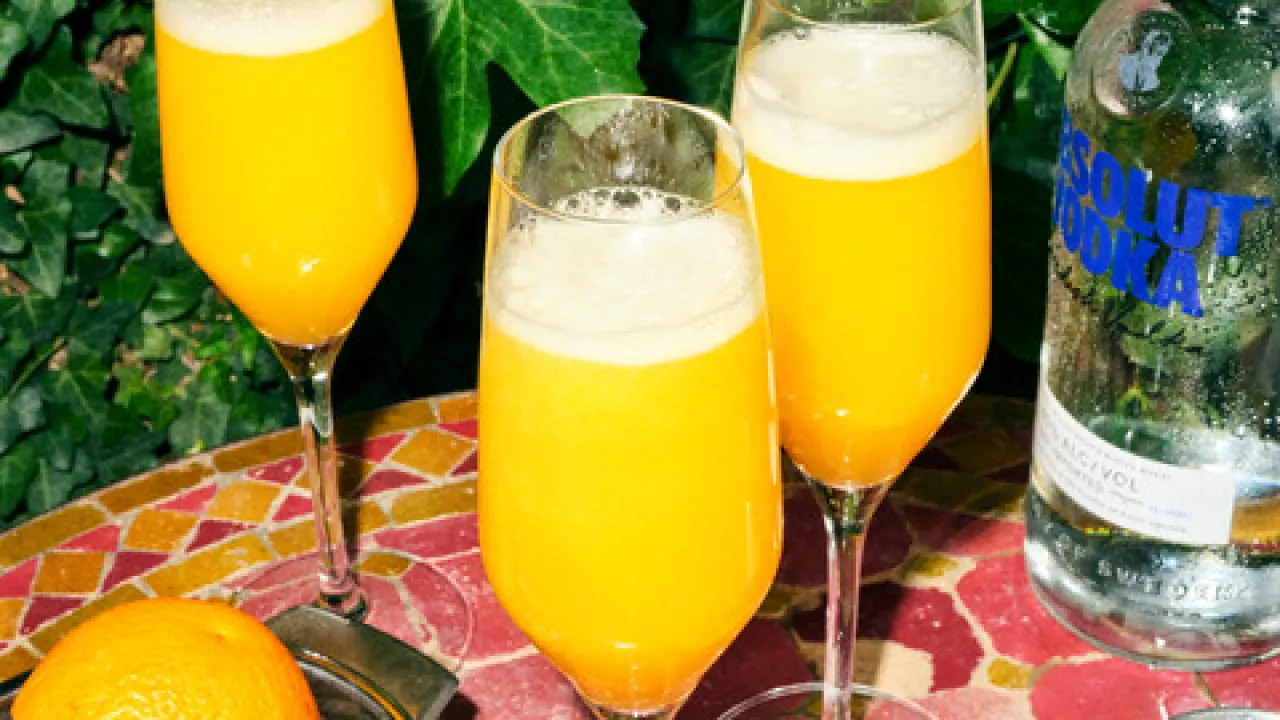
The Mimosa’s origins trace back to early 20th-century Paris, where it was first served at the Ritz Hotel. Traditionally composed of equal parts Champagne and orange juice, this seemingly simple cocktail has enchanted guests for generations with its brightness and effervescence. It’s often confused with its British cousin, the Buck’s Fizz, which contains more sparkling wine and less juice — but the Mimosa is all about balance.
Why We Celebrate It
Mimosa Day is more than an ode to brunch — it’s a celebration of hospitality at its most joyful. The drink is approachable, festive, and inclusive. It’s a go-to for celebrations big and small, from birthdays to weddings to Sunday catch-ups. For bartenders, it’s also an opportunity: to elevate a classic, spotlight fresh ingredients, and surprise guests with subtle innovations.
Reinventing the Mimosa
In the spirit of Rising Stars and Pernod Ricard’s commitment to creative and responsible bartending, Mimosa Day is the perfect excuse to reimagine the classic:
Use seasonal or local citrus: Think blood orange, mandarin, or yuzu for a twist.
Infuse your bubbles: Add a hint of rosemary, lavender, or ginger to your Perrier-Jouët champagne for an aromatic upgrade.
Experiment with the base: Use Lillet Blanc Monkey 47 Gin, or Absolut Mandarin for complexity.
Go zero-waste: Garnish with dehydrated orange slices or use citrus peels to create beautiful, fragrant syrups.
Sparkle Responsibly
Mimosa Day also reminds us of the importance of moderation and mindful enjoyment. Low-ABV and non-alcoholic versions — using products like Lillet Wine or Ceder’s Alt-Gin paired with fresh juices — are gaining popularity and fit perfectly into the modern guest’s preferences.