
SIP with Lucien Laviscount
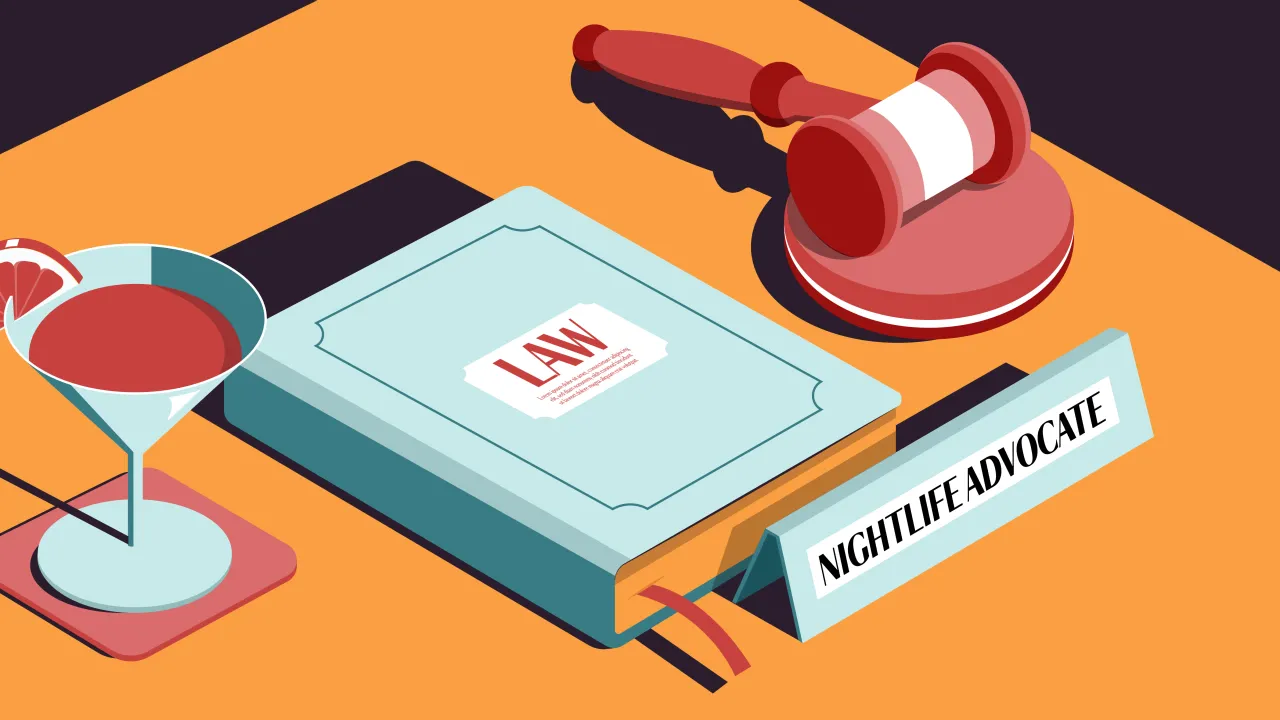
How (not) to... be a night time advocate
29 July 2025
Please log in for the whole article
Mirik Milan of VibeLab knows a thing or two about nightlife advocacy – in 2012, the Amsterdam native became one of the world’s first official night mayors, setting a precedent for nightlife advocates, czars, advisors and erstwhile defenders of the dark in now more than 50 cities. At the Nightime Time Economy Summit in Bristol 2022, Mirik quizzed his peers from Dublin, Belfast, Berlin and Montreal – some with 20 years experience, some just beginning their journey of campaigning – on the secret to promoting a healthy local nightlife.
Start by showing up…
It can be hard to know how to make a difference – especially when it comes to bureaucracy and local government. “What I did,” Mathieu Grondin from Montreal 24/24 said, “was to show up at the questions period at City Hall. You don't know which door, where to go – well, just go there. You'll meet people there.” In Montreal every month, citizens can attend a question time and have the chance to be heard in front of the mayor and all the councillors. “The mayor back then promised to adopt a nightlife policy, and nothing had been done after three years. So I just started showing up and asking the hard questions.” He returned every month for three or four months.
…Then build those government relationships
“That’s how we started. We built a relationship with the city officials, with the politicians on one side, and the civil servants on the other side,” Mathieu Grondin continued. “A year later, they were giving us $200,000K a year to develop our project.” Now, Montreal 24/24 has a three-year plan with the council and facilitates an open mic where every citizen of Montreal can share their views on nightlife. As Mirik Milan noted, it doesn’t cost money to show up and ask questions.
You can’t do it all yourself
Lutz Leichsenring of VibeLab and Berlin’s Clubcommission realised quickly the remit for nighttime advocacy can be huge, once an organisation gets off the ground – it is a lot of work.
His Berlin organisation gave power to working groups to work inside circles that meet on their own – have their own governance structure, and their own areas of expertise and resources to draw on.
“You have to build a structure with them from the very first day to involve many people and find a way of involving them, find a way of self-organising them,” he says.
“The more you're thinking beyond the interest of a small peer group of industry owners, the more success you will have in getting heard by city governments and involving of course more stakeholders.”
Act like you belong
Leichsenring also took a tip from an activist group in Berlin who rented a space in City Hall for their first round-table meeting: “They were not even asking the government to be a part [of the meeting] but they did it in their rooms, and suddenly it seemed very official.”
Research how others do it
Montreal 24/24, a citizen-based group, celebrates its fifth anniversary this year. Its mission was to destigmatise nightlife activities, educate people in power who make decisions about those activities, and dismantle prejudices towards them. Mathieu Grondin said they looked at data and studies to find out how other cities handled, say, noise problems: “Let’s see if we couldn’t learn from these cities and import these good ideas to Montreal.”
Meet other advocates
Mathieu Grondin started by organising “happy hour” talks, and one of the first guests was Sunil Sharpe of Give us the Night, a campaigning group in Ireland. Both were reacting against last-call times (2am in Dublin and 3am in Montreal) that they felt restricted the development of the nightlife economy and nightlife culture.
Holly Lester of Free the Night, which launched in Northern Ireland in June 2021, also initially reached out to Sharpe to talk through ideas. It was through him that she met her cofounder Boyd Sleator, who has a background in lobbying and advocacy. Sharpe cited meeting Mirik Milan and developing their relationship as beneficial to progressing his own work.
Be a mediator
Recognising that people throwing illegal raves were probably the next generation of club owners, in Berlin, the Clubcommission met with rave organisers and brought them together with a lawyer and a politician to help them understand the official landscape – and perhaps also the grey areas between illegal and legal that might help them keep operating, and also keep complaints down to avoid police scrutiny.
Put your activism into action
Start a petition, get your message out and educate people. Sunil Sharpe took his meetings to cities outside of Dublin and managed to get warring factions to stop fighting online and meet in person. In Montreal, Mathieu Grondin says they organised education activities, and offered workshops, advice and services to cultural entrepreneurs.
“Also, we produce events to validate new nightlife public policies – the pilot projects,” he says. “Basically we're assisting the city in the development of an action plan for nightlife.”
Find the best approach for your city
“We come at this from a cultural angle,” Holly Lester says, of Free the Night’s work in Northern Ireland, noting that sometimes in England advocacy has more of success when it focuses on a commercial side. Free the Night started because of licensing issues around 3am closing, and has not yet had much success when it comes to dance-floor venues. However, progress has been made recently in trying to help different politicians and stakeholders understand and appreciate the industry on a cultural level. “Culture is very important in Northern Ireland, due to the peace process and the history of the Troubles.”
Know what’s going on
If you get a seat at the table, make sure you know what’s going on across different areas. The more you read, the more people you talk to, the more you’ll understand how different areas affect each other. Sunil Sharpe says Give Us The Night’s work in Dublin initially focused on licensing, then they got planning in their sights.
The secret sauce – distilled
As Milan concluded, it’s important to be persistent. “Keep up the fight, keep pressure on our politicians, [keep] everybody together and build. Always fight for access to politicians, to educate our stakeholders, and also for great awareness.”



More Articles

Business
Drinks
Industry
Inside the Development of ABSOLUT TABASCO with Rico Dynan

Business
Drinks
Industry
What iPhones can’t teach you about bartending culture
Business
Industry
New SIP and CGA-Nielsen report looks to the future with the world’s best bartenders

Business
Industry
Secret Sauce: Bar Show Etiquette

SHARE
INSPIRE
PIONEER
© World’s Best Bars 2026. All Rights Reserved.
Content to be shared with those over the legal drinking age only - Enjoy responsibly.

Check your email
If we recognize your account, a link to reset your password has been sent to your email address. If you haven’t received it, please check in your spam folder and add to whitelist.
Check your email
A link to activate your account has been sent to your email address. If you haven’t received it, please check your spam folder and add it to whitelist.